Are you looking to know Shopping Districts and Retail Spaces As Hookup Locations then read this article to find out Shopping Districts and Retail Spaces As Hookup Locations
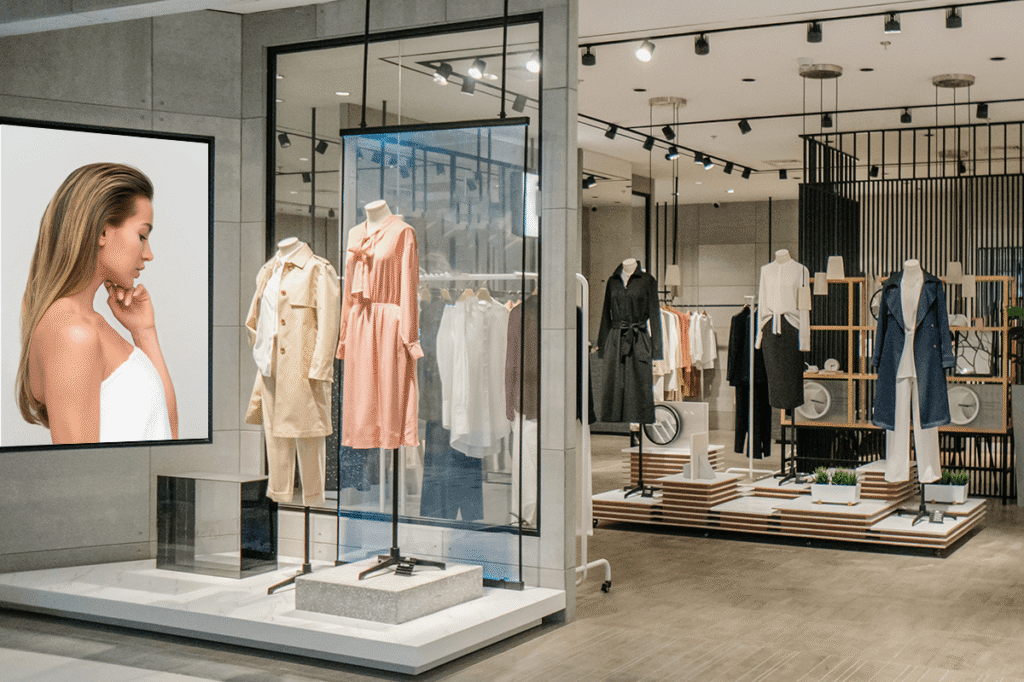
Shopping districts seem unlikely venues for meeting potential partners through hentaiz-a1.com/hiep-dam platforms, yet these public spaces concentrate people during predictable hours and create natural opportunities for initiating conversations through commenting on products, asking for opinions, or offering assistance when someone seems confused. The key lies in distinguishing between people genuinely shopping with clear purposes versus those browsing leisurely, who might welcome social interaction to break up their afternoon of retail therapy. Upscale shopping districts particularly attract affluent singles who appreciate quality goods and experiences, creating a different demographic than discount retailers or big box stores.
Bookstores, record shops, and other speciality retailers catering to specific interests provide better contexts than generic clothing stores since shared enthusiasm for books or music creates immediate common ground beyond just being in the same place. Someone spending substantial time in the photography section clearly has that interest, making questions about camera gear or photo books feel appropriate rather than forced or creepy. These niche retailers attract passionate hobbyists who love discussing their interests with fellow enthusiasts they encounter while browsing.
Coffee shops and cafes inside shopping centres serve as meeting spots where actual conversation happens, compared to browsing through stores, where extended interaction would seem strange to other shoppers. Someone taking a break from shopping to sit with coffee might welcome company and people-watching conversation about the chaos of weekend retail therapy unfolding around them. These spaces allow for longer exchanges that can’t happen while both parties are actively shopping with bags and purchases.
Weekend crowds
Saturday and Sunday afternoons find shopping districts busiest with people who specifically chose to spend leisure time there rather than rushing through practical errands during lunch breaks. Weekend crowds include more people open to spontaneous social interaction compared to weekday shoppers, who are focused on quick trips between work obligations and don’t have time to chat. Farmers’ markets and outdoor shopping areas create festival atmospheres where social interaction feels more natural than inside traditional mall environments with their fluorescent lighting. The open layout and vendor-browsing setup make people more approachable as they sample foods, examine crafts, and generally move more slowly and deliberately than rushed indoor shopping at department stores.
High-end boutiques and luxury retailers attract people with disposable income who often move in similar social and professional circles worth joining. Successfully approaching someone in these environments requires understanding the unspoken class dynamics and having confidence to engage people who might have substantial wealth without seeming intimidated or out of place. Art galleries and home goods stores find people making aesthetic decisions where asking for opinions feels natural rather than intrusive. “What do you think of this piece?” or “I’m trying to decide between these—any preference?” involves strangers in your decision-making process, creating interaction that might extend beyond the shopping context if mutual interest develops through the conversation.
Fitness equipment stores, outdoor recreation retailers, and sporting goods shops attract people with active lifestyles and specific interests that provide conversation topics beyond just generic small talk. Someone examining running shoes or camping gear wants to discuss features and trade experiences with fellow enthusiasts who understand the equipment. Pet supply stores and their frequent shoppers create communities around animal ownership where the pets themselves provide natural conversation starters and instant information about their owners’ lifestyles and priorities through what they’re buying.
Leave a Reply